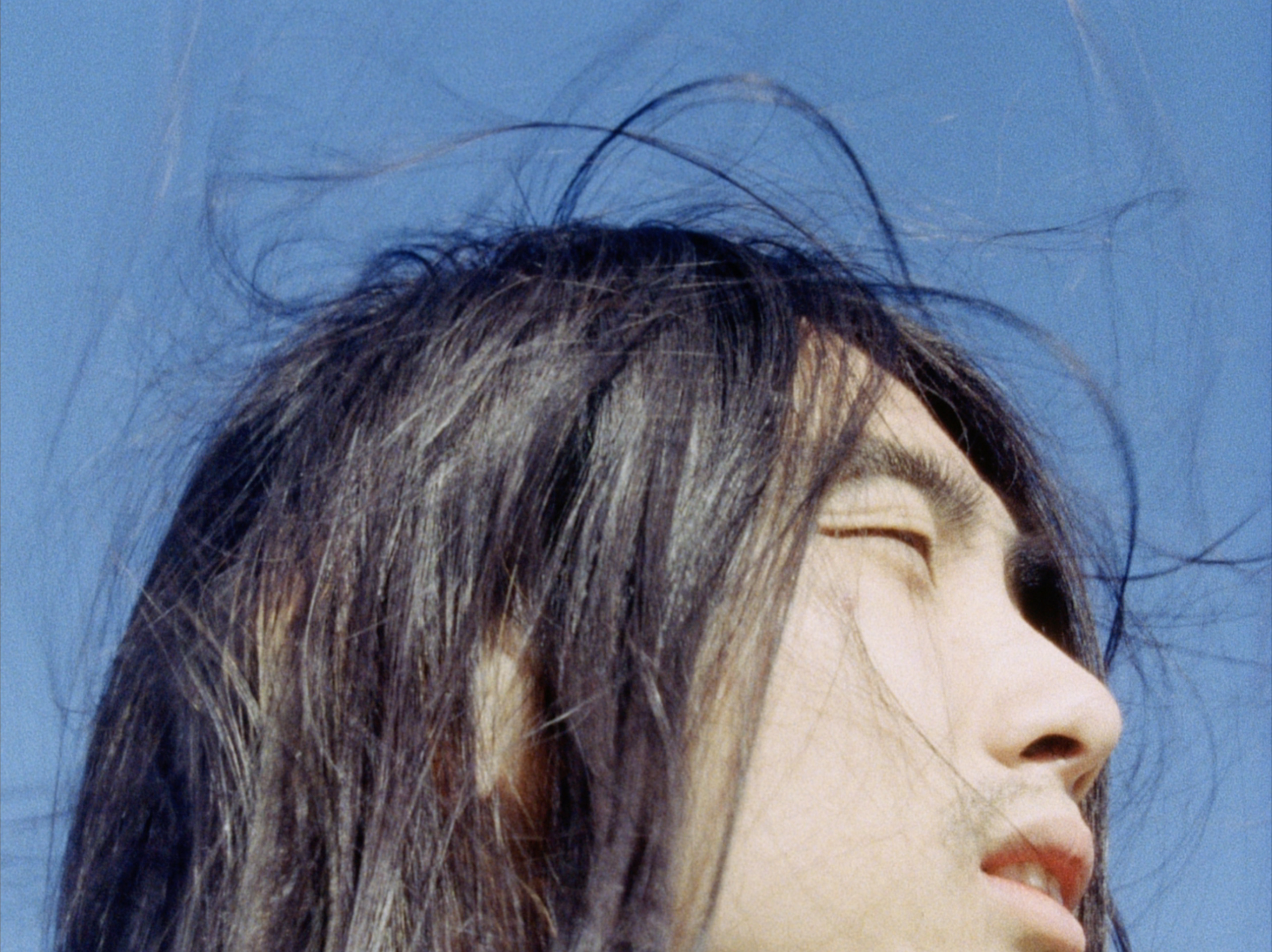
2007, 13 min, 16mm
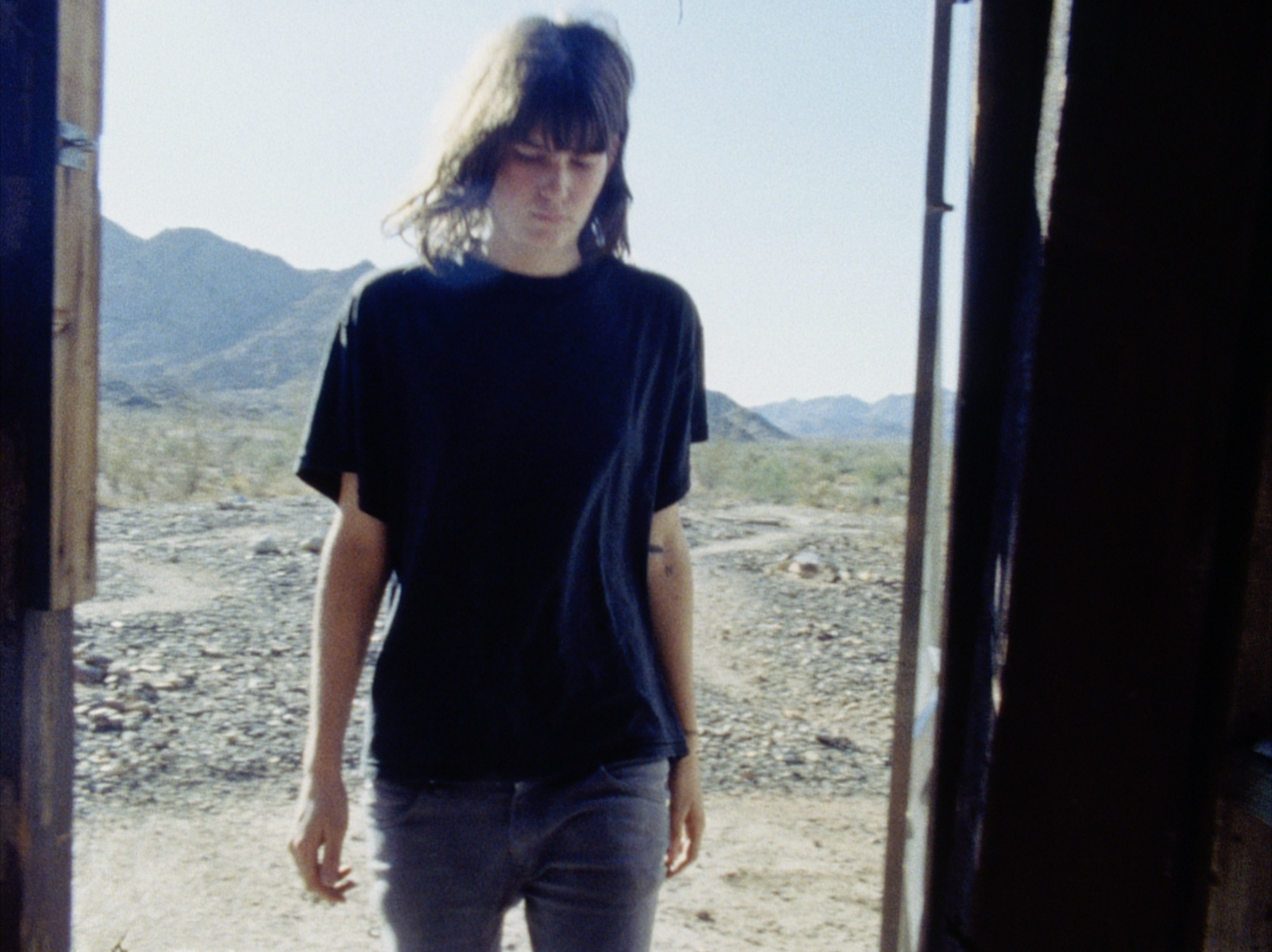
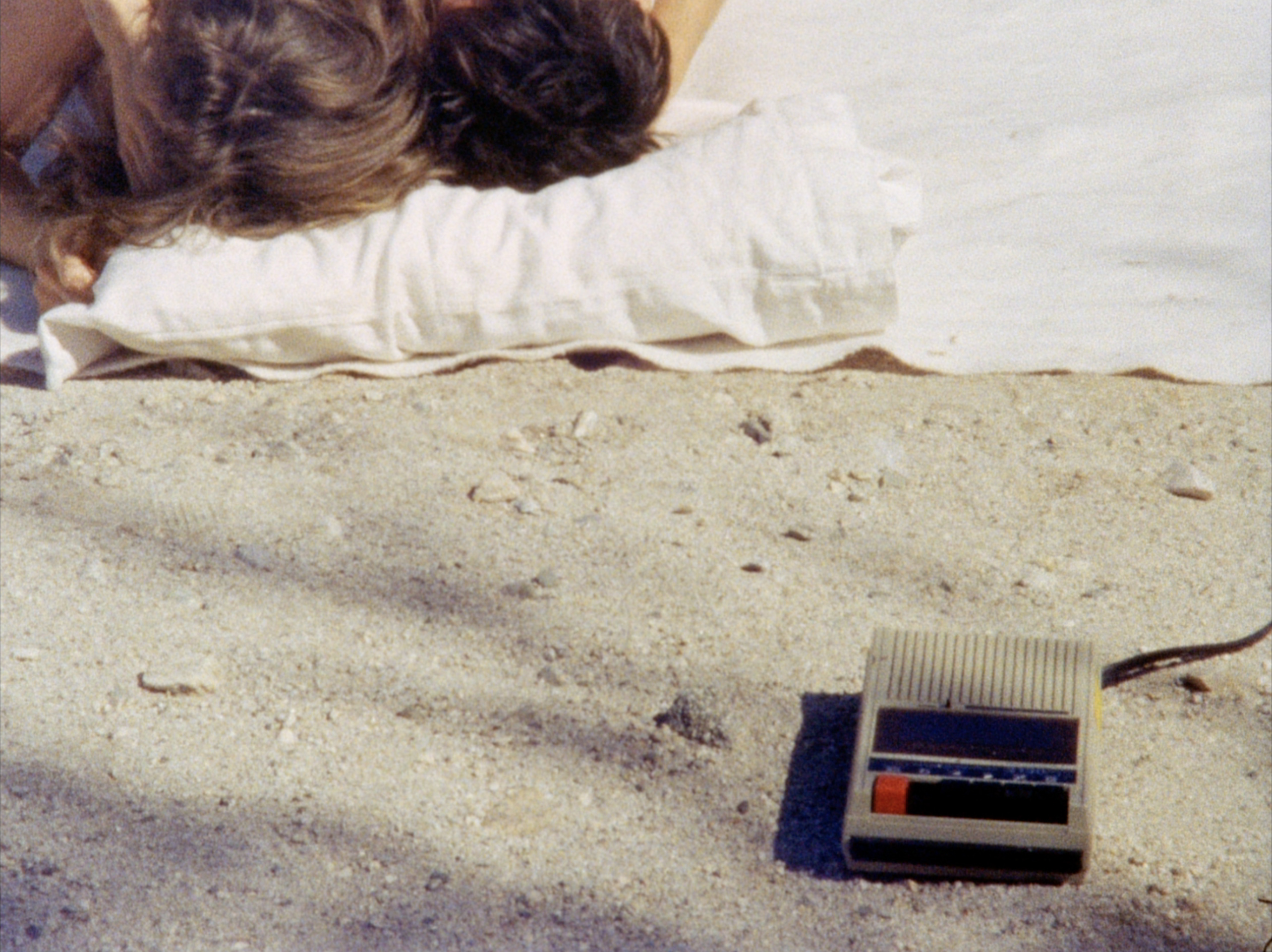
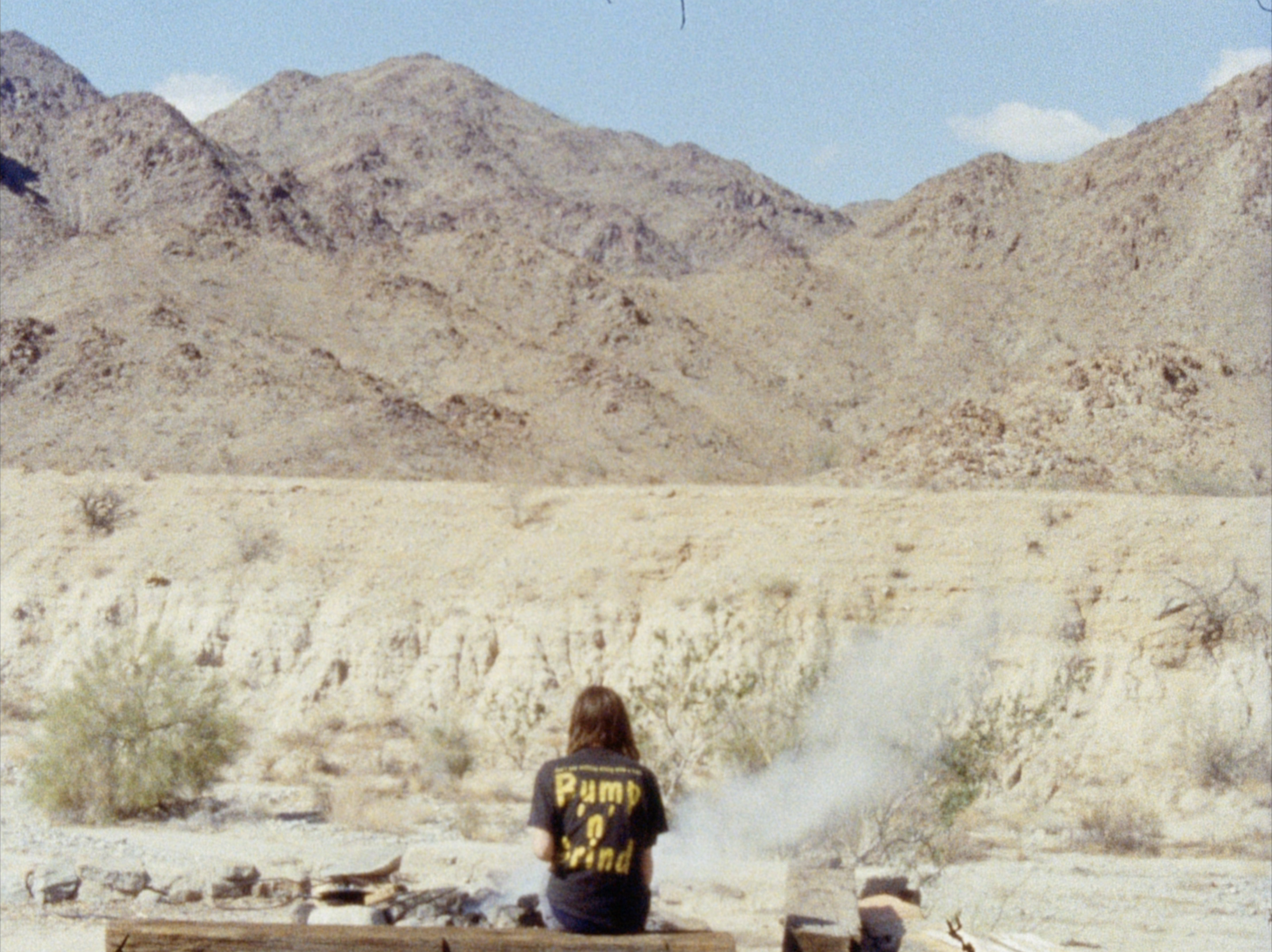
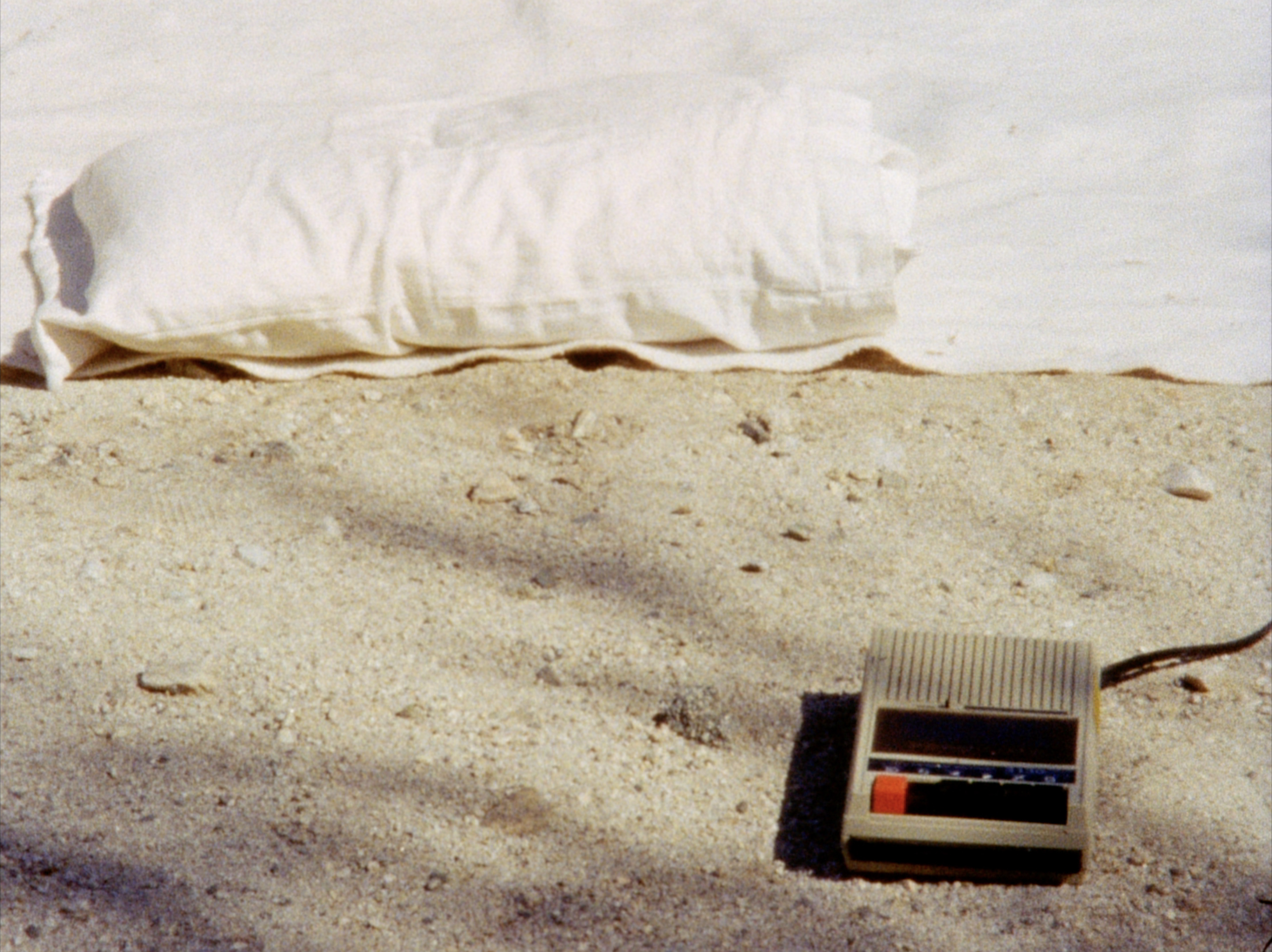
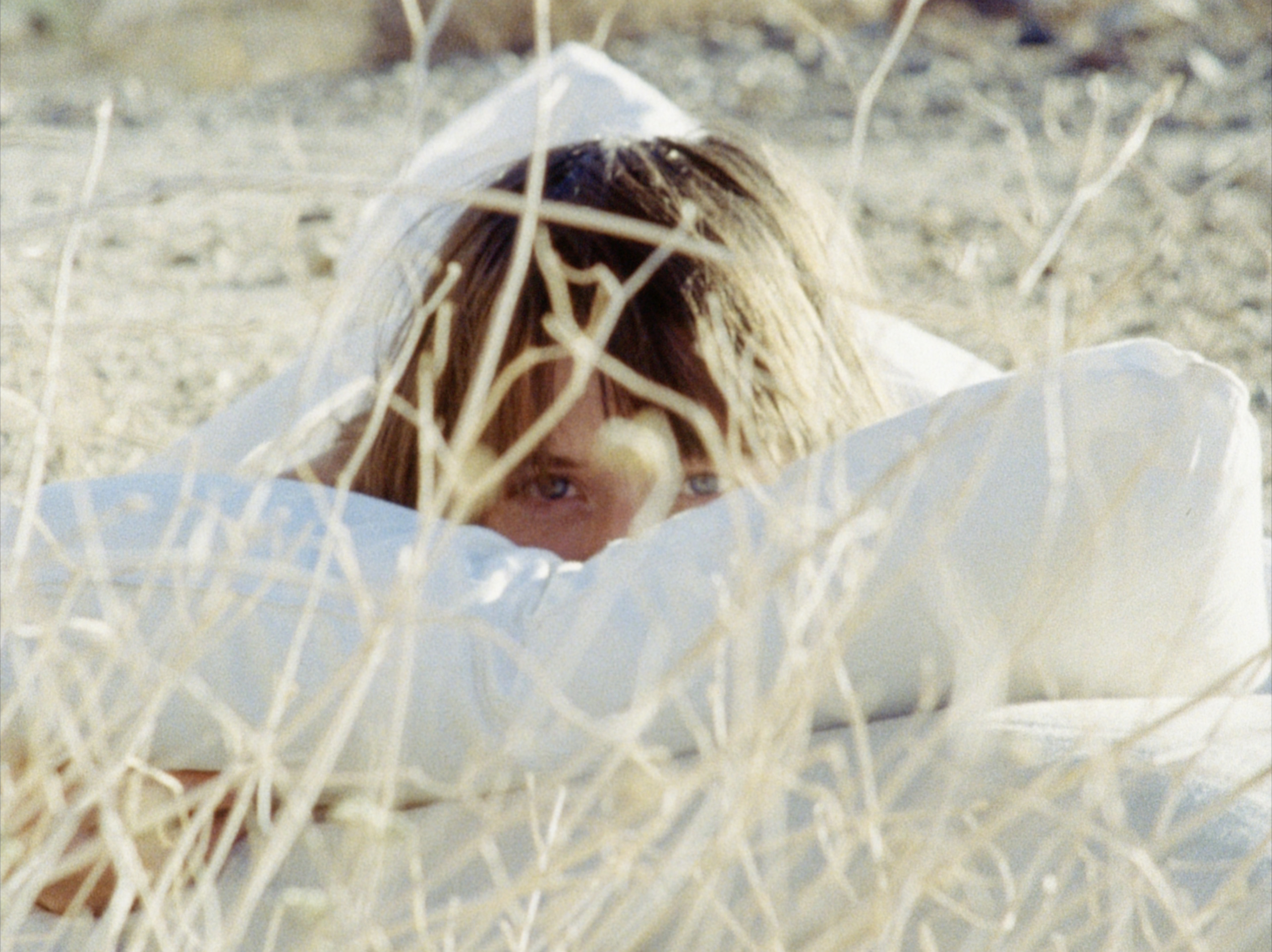
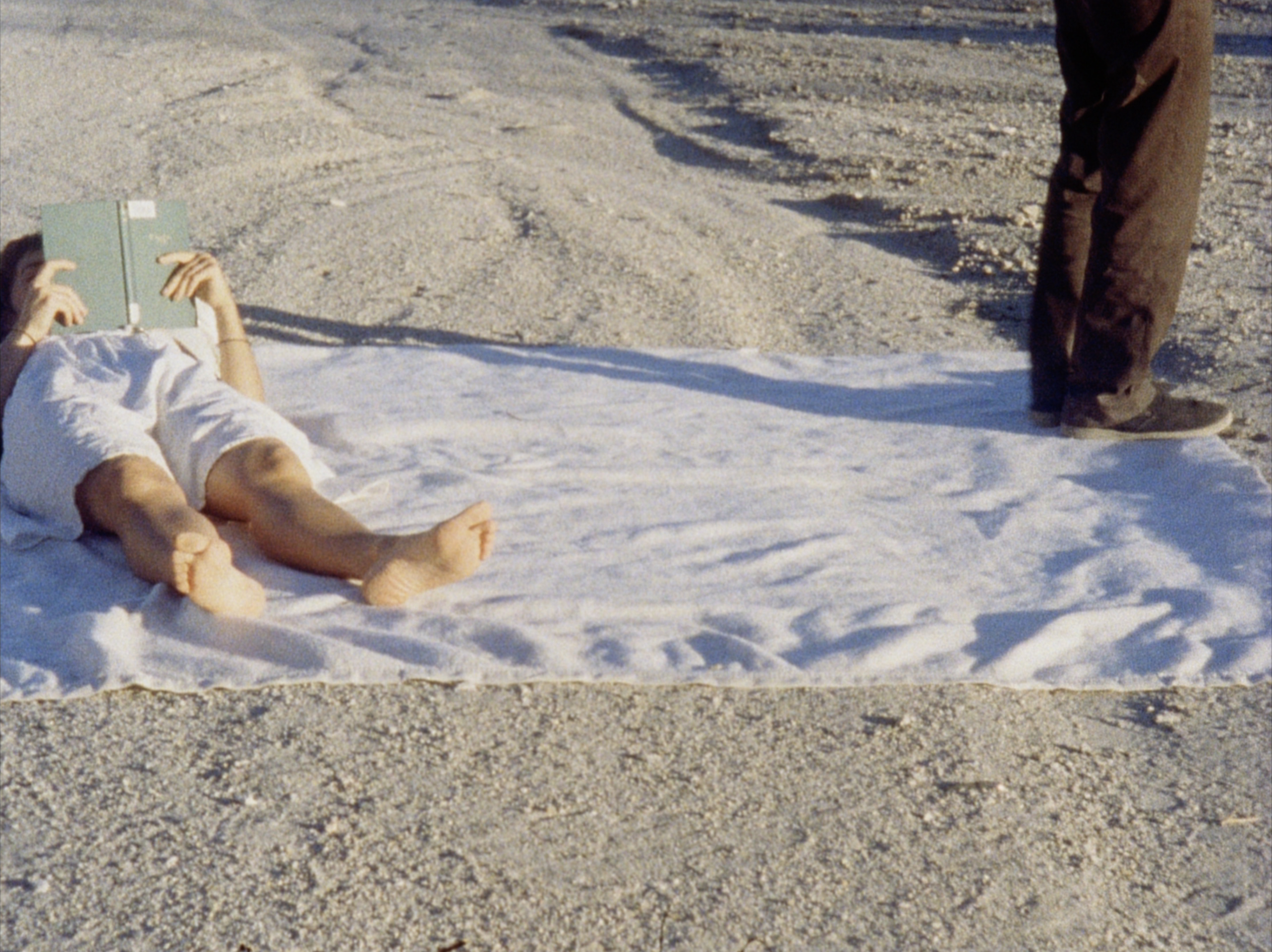
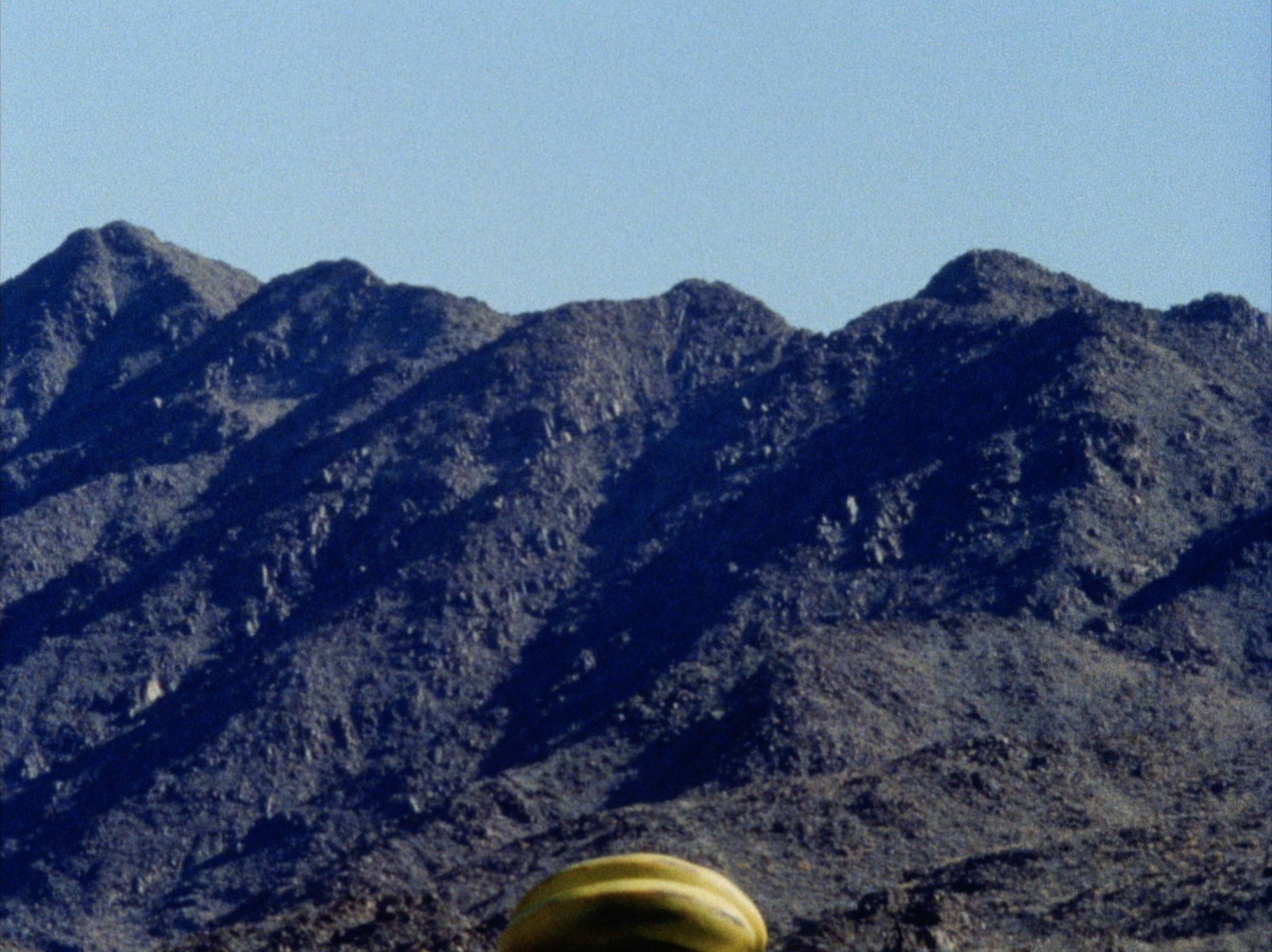
A series of shots in a California desert landscape in which there is a play between on frame and off frame, sound and image. There is an effort to create the space of a story, without a story, by the use of real time/diegetic sound. Love is felt as a force that determines the arrangement of the figures in the landscape. (LL)
--With: Sandy Ding, Eliza Douglas, Laura Merando,
Sally Oviatt, Lucas Quigley and Laura Steenberge
"A hut in the middle of the desert. Some young people enter and exit the hut, take down its doors and windows, converting it into an open space. The dichotomy between inside/outside disappears; destruction leads to creation; freedom prevails as a radiant form of life. The relationship between what we see and what remains out of view, between image and sound, is of a purely natural, organic nature: Laida Lertxundi never deceives.
With Footnotes to a House of Love, the filmmaker inaugurates her cycle of films made in Los Angeles and the surrounding areas, and she does so laying down the (visual and musical) constants that are to define her subsequent works. As from this time, her footsteps on Californian soil and the impression they will leave on experimental cinema will be indelible."
-Javier Estrada pdf
back